How on-chain rent and distributions are automated
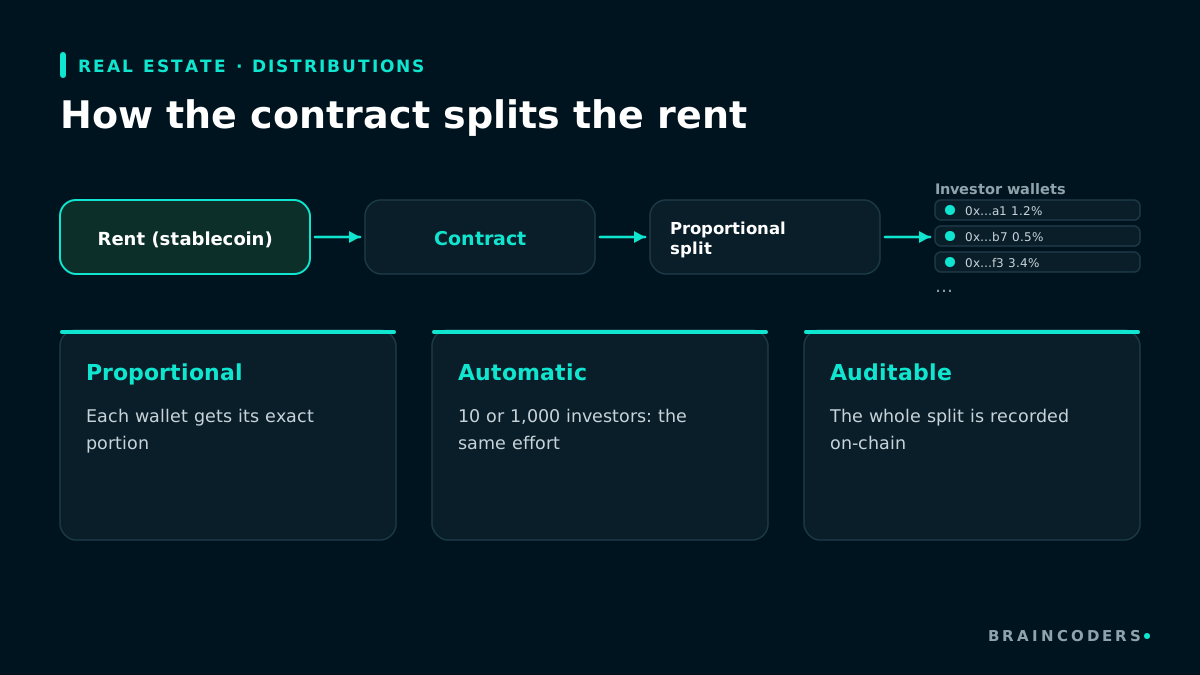
How a smart contract splits rent and income among hundreds of investors proportionally, automatically and auditably, with no intermediary — and what still depends on the real world.
Read morePractical notes on AI agents, Web3, tokenization, and shipping production systems — from the Braincoders engineering team.
How a smart contract splits rent and income among hundreds of investors proportionally, automatically and auditably, with no intermediary — and what still depends on the real world.
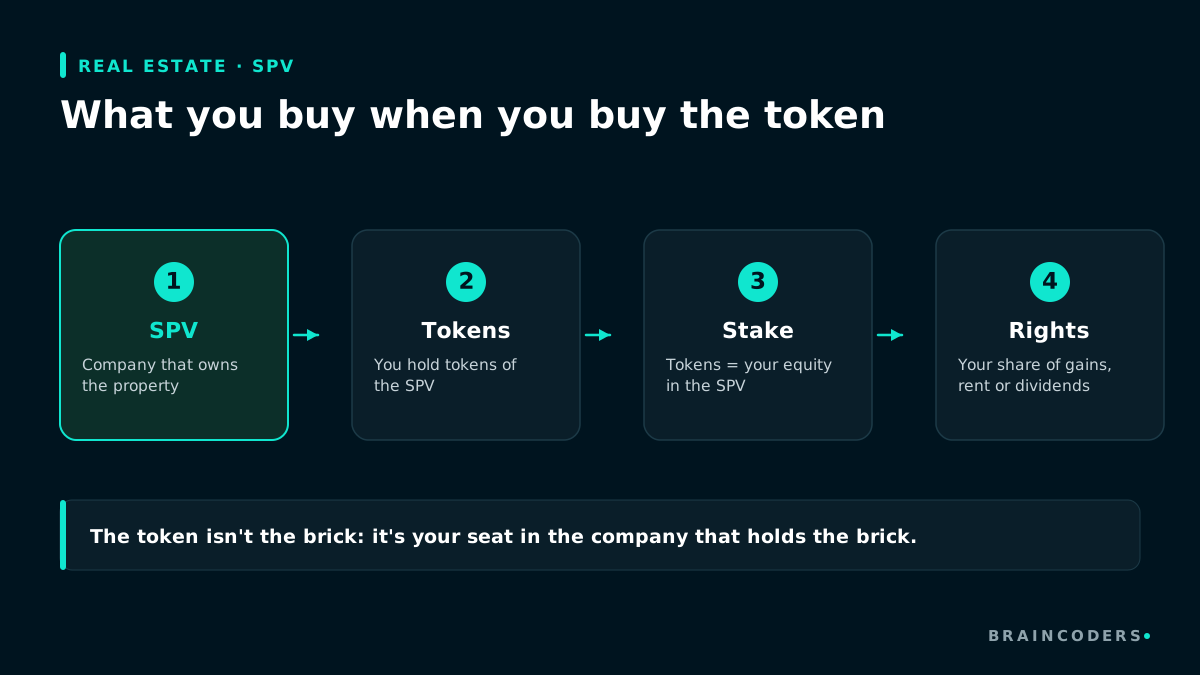
Read moreWhat an SPV is, why the token represents shares in that vehicle and not the brick directly, and what that structure protects for the investor and the project.
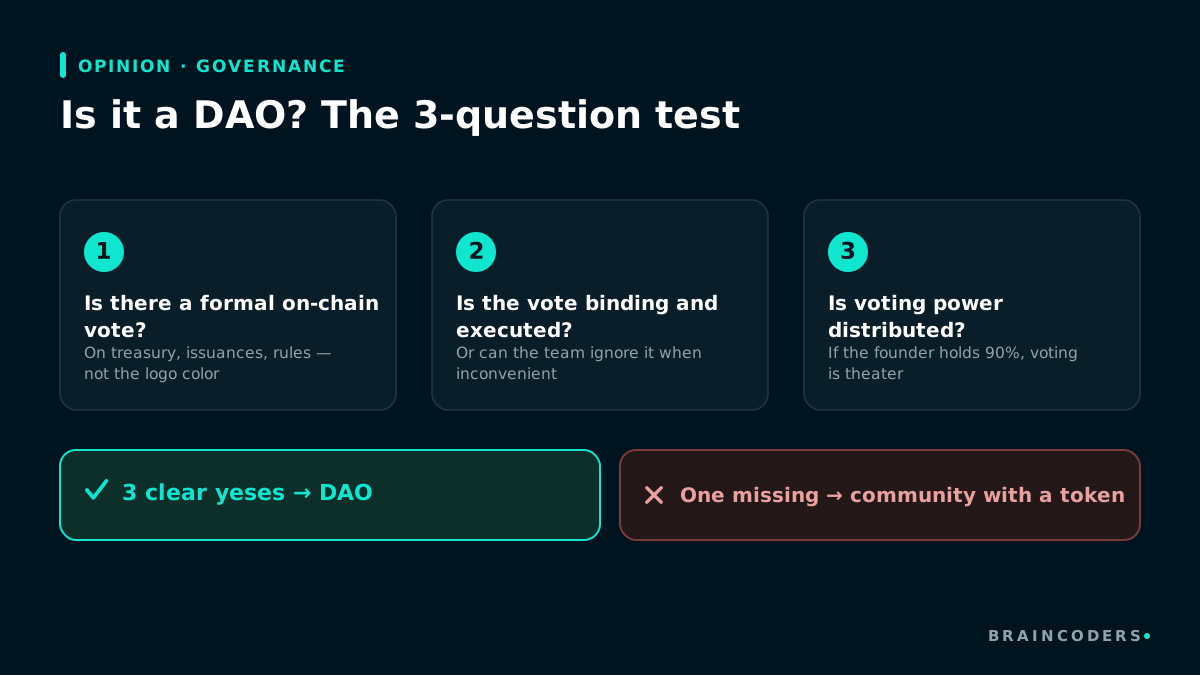
Read moreCalling a project a "DAO" when it has no binding vote isn't harmless marketing: it's a reputational and regulatory risk. What makes a DAO a DAO, and why the label matters.
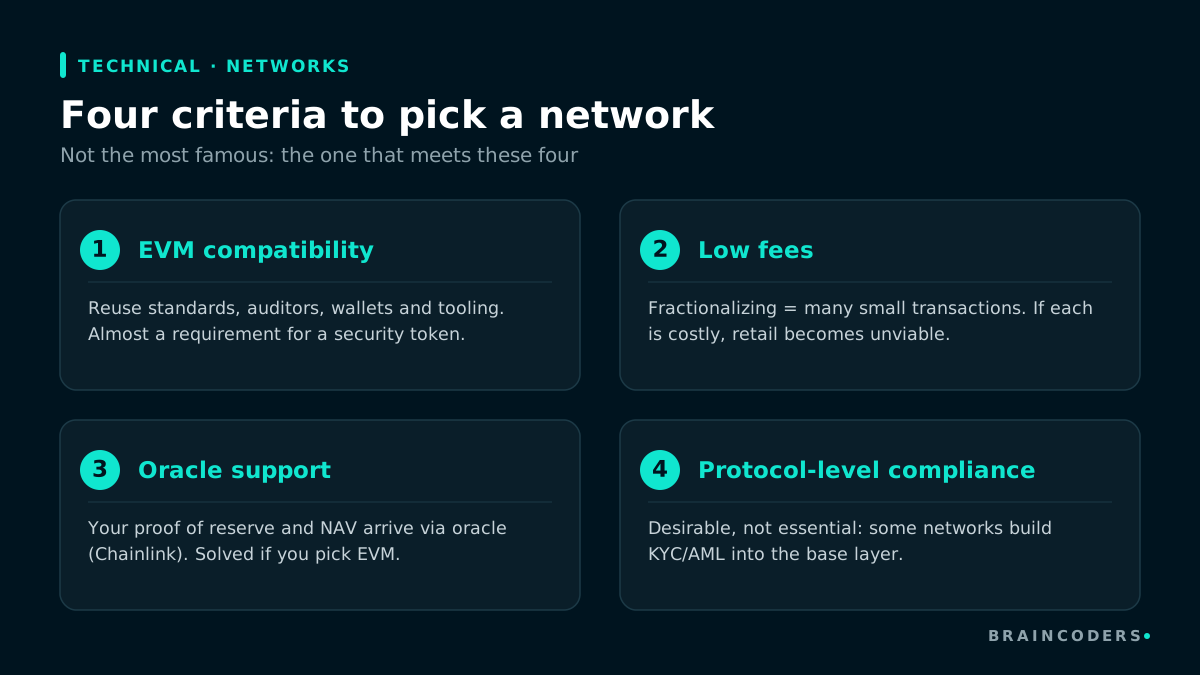
Read moreHow to pick the network for an RWA project by criteria, not hype: EVM compatibility, low fees, oracle support, and a comparison of Polygon, BNB, Ethereum L2s, Avalanche and Plume.
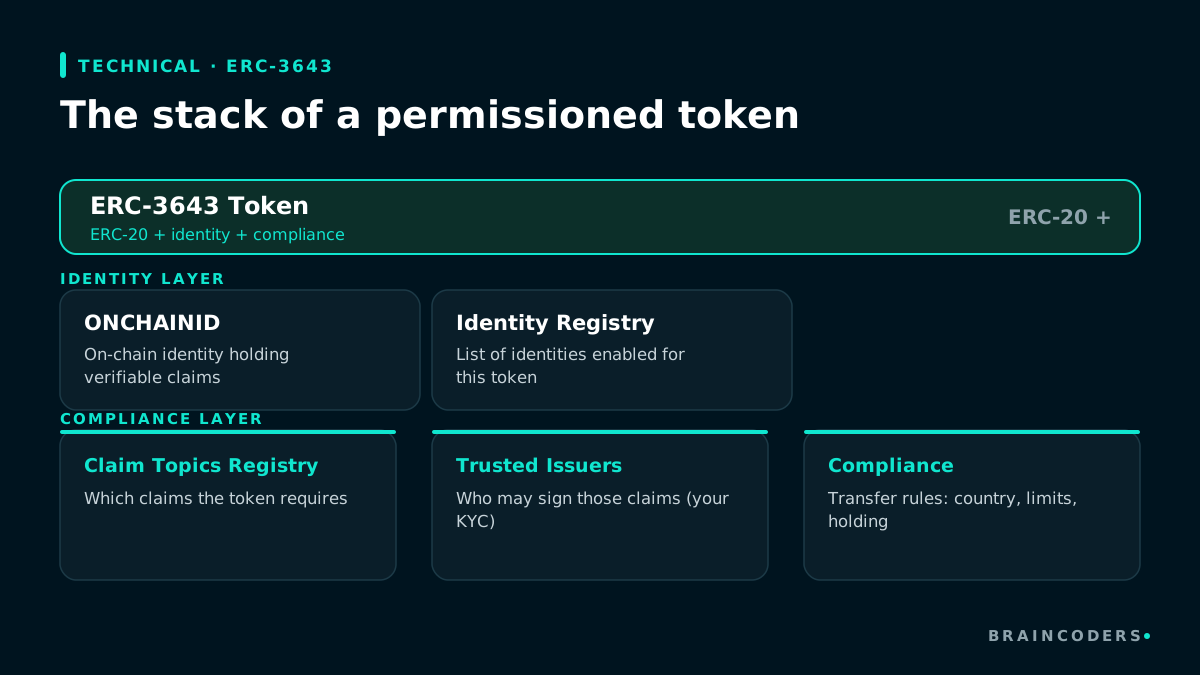
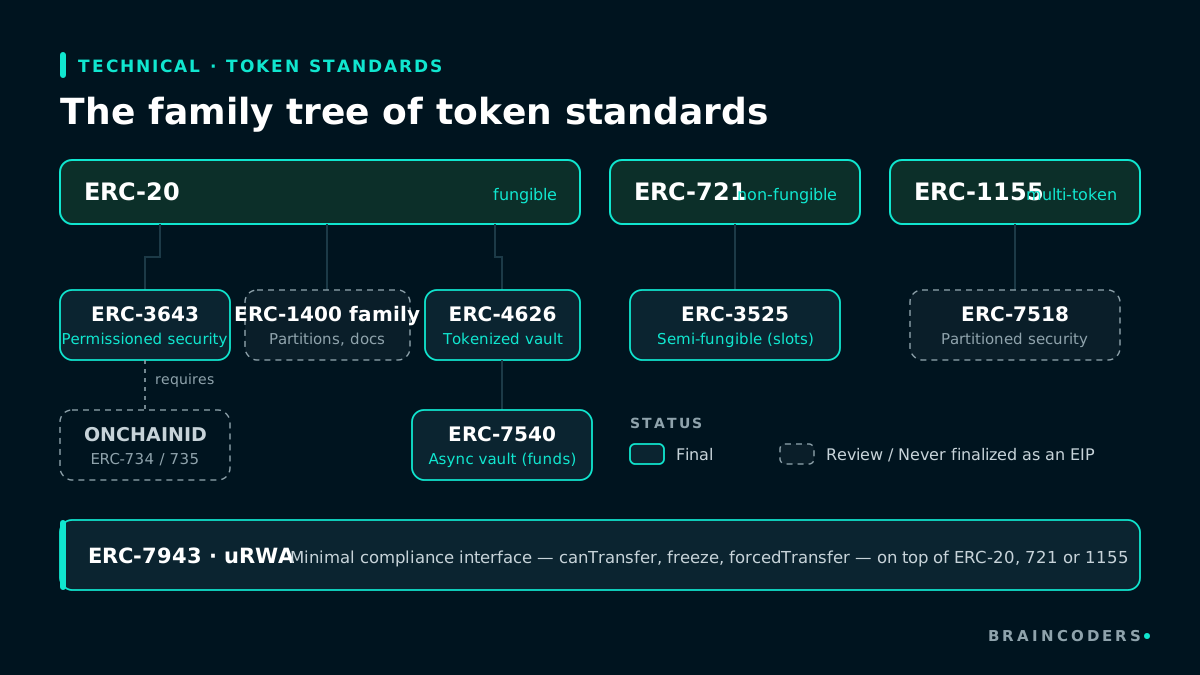
Read moreWhat an ERC-3643 permissioned token is, without the jargon: why only KYC-approved wallets can hold it, how its identity and compliance stack works, and why a plain token won't do for a security.
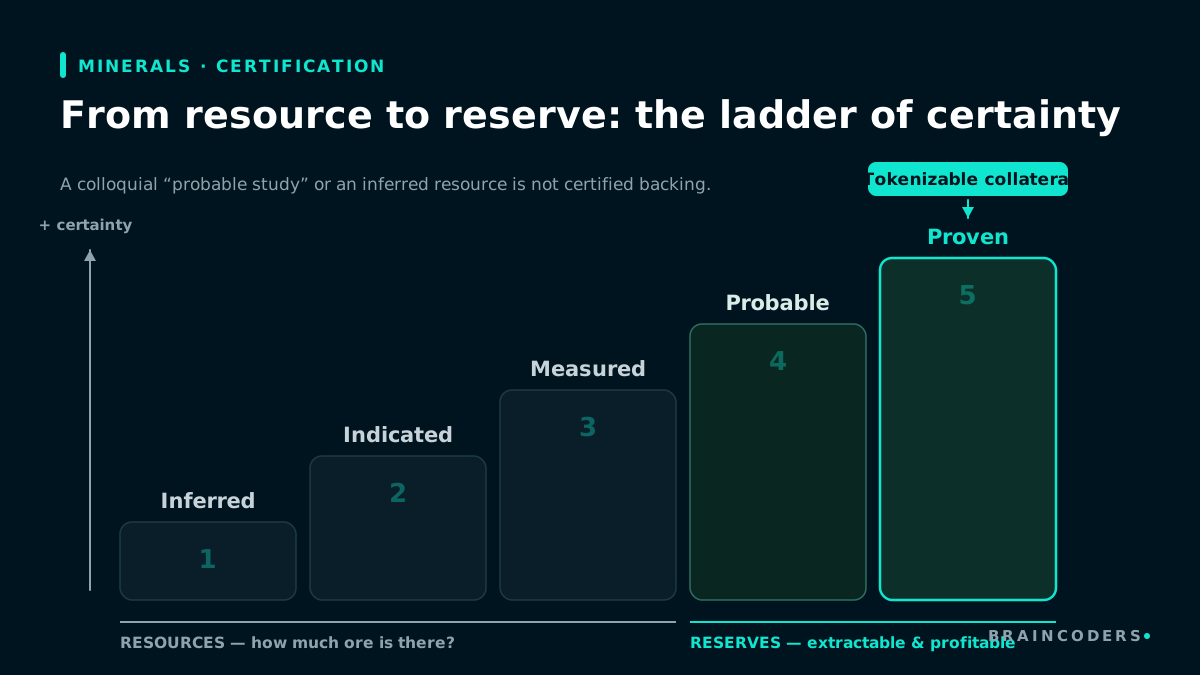
Read moreWhat NI 43-101 certification is, without the geology jargon: the difference between resource and reserve, who signs it, and why it's the bridge from "I have a deposit" to "I have tokenizable collateral."
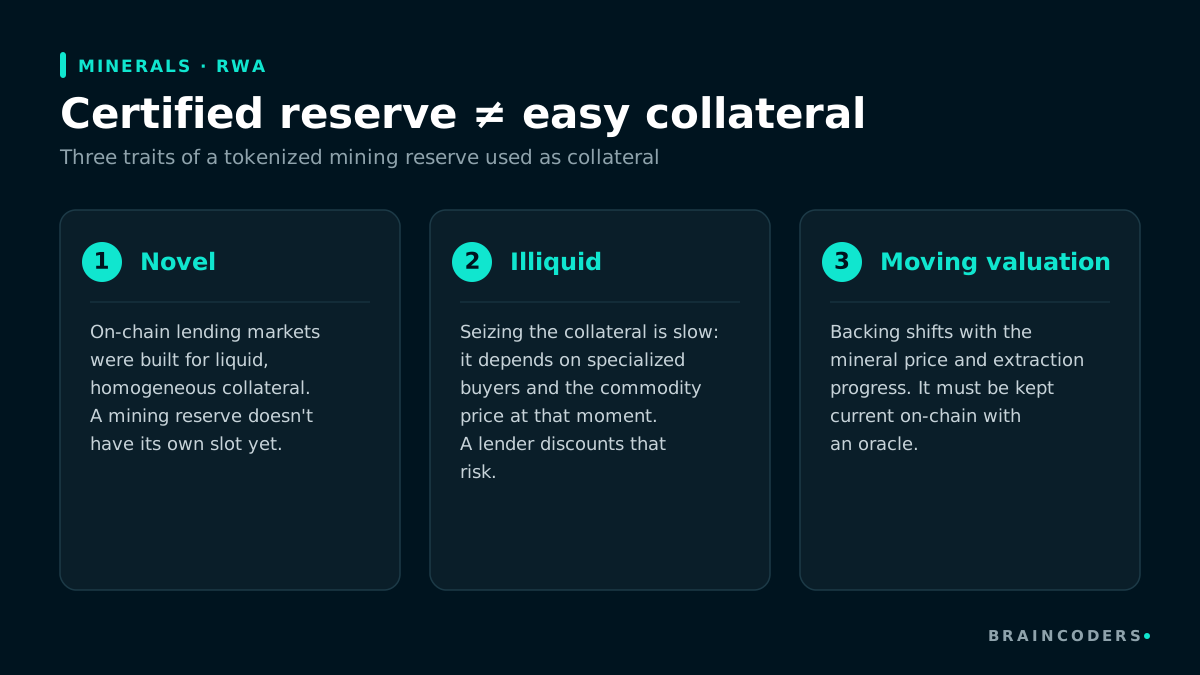
Read moreWhy a mining reserve isn't automatically good collateral, what separates a "probable study" from a certified reserve, and the honest plan B for when institutional markets won't take you yet.
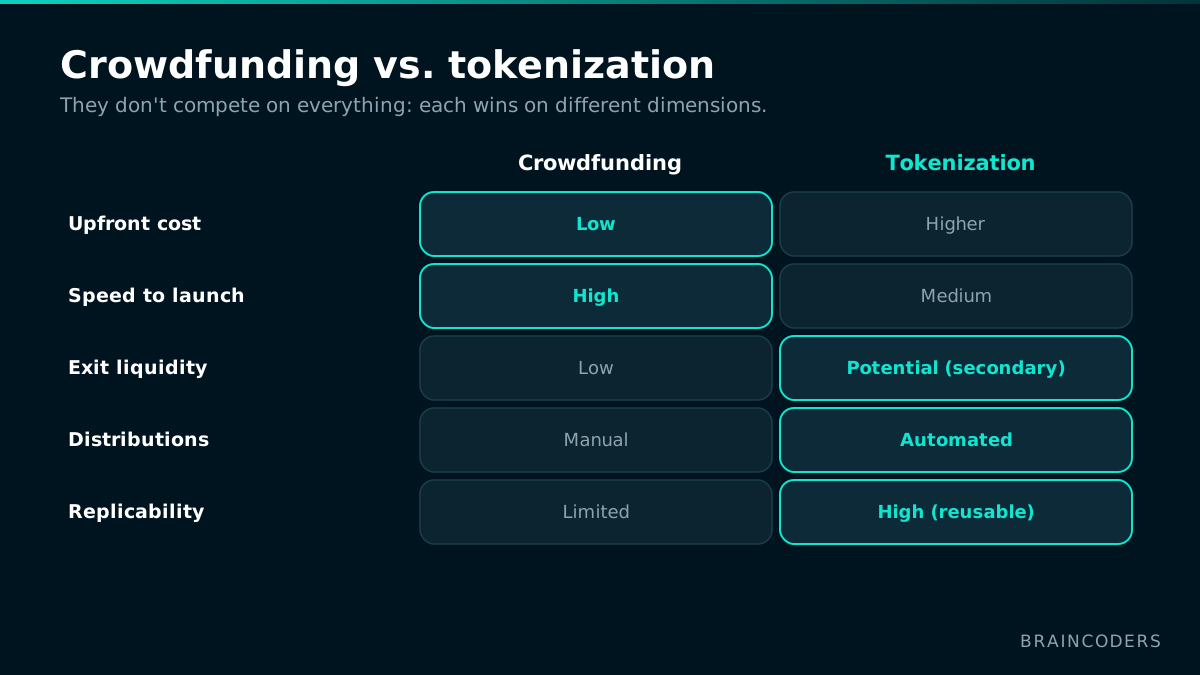
Read moreCrowdfunding is simpler but illiquid. Tokenization costs more upfront and only pays off with a pipeline. How to choose for your case.
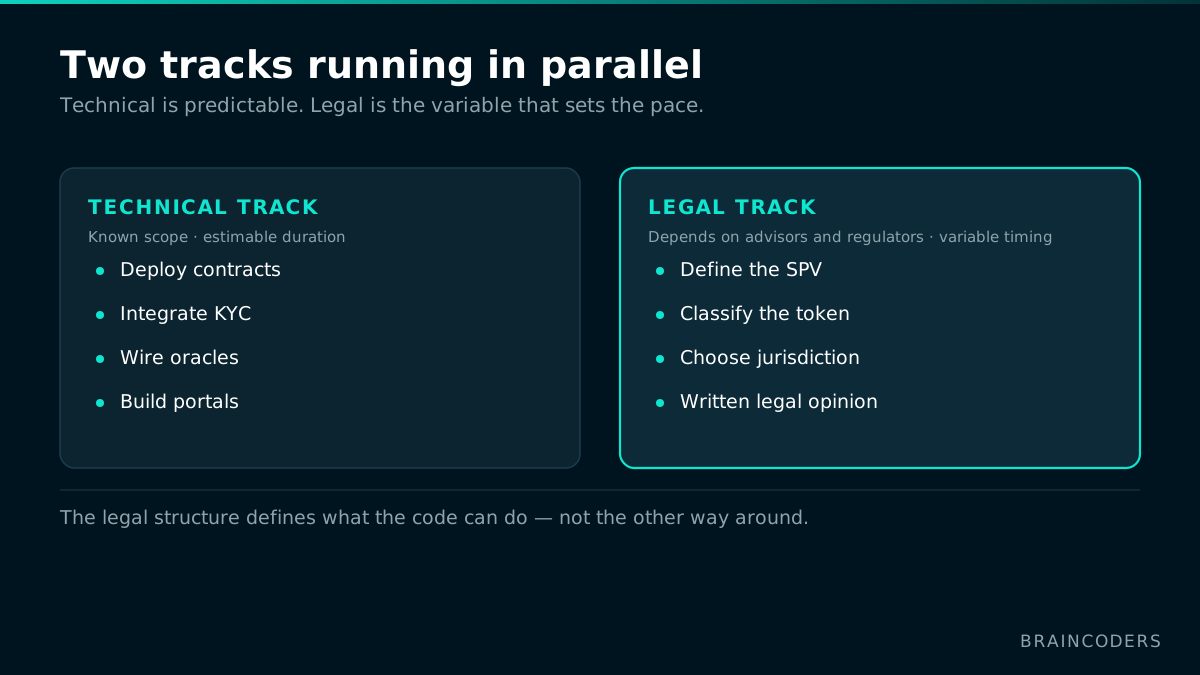
Read moreIn RWA tokenization the technical work is fast and predictable. What dictates the real pace is resolving the legal framework. Why, and how to plan around it.
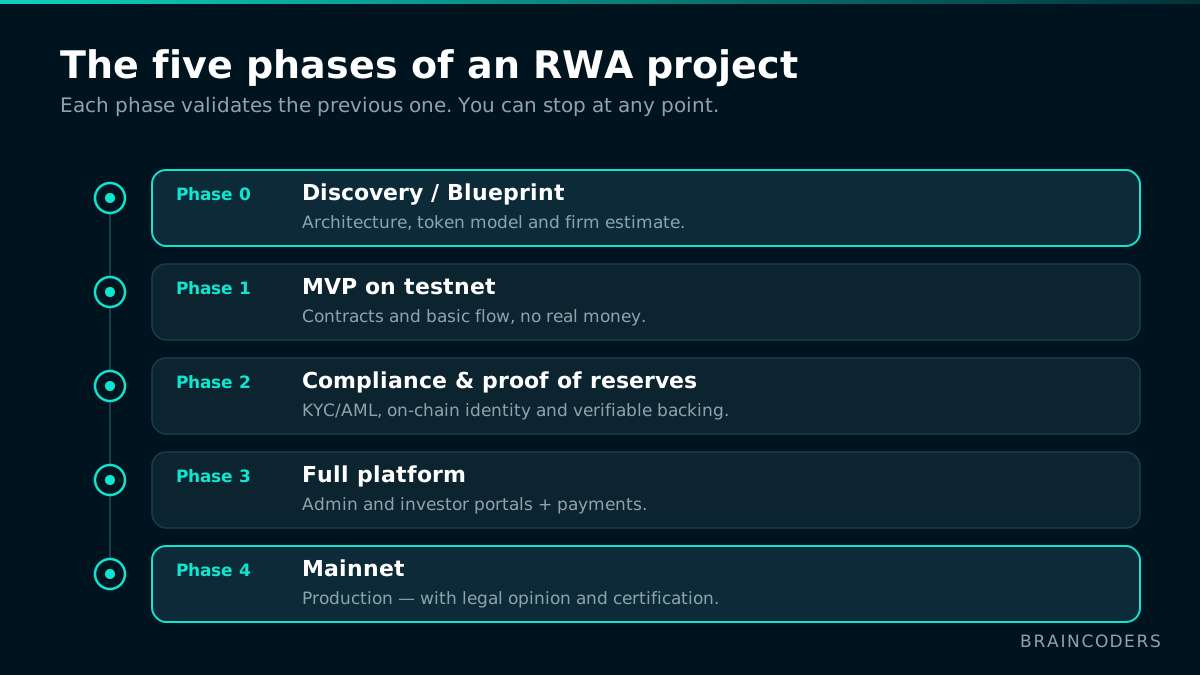
Read moreThe five phases of an RWA tokenization project, what each one delivers, and why starting small and validated is what gets it to production.
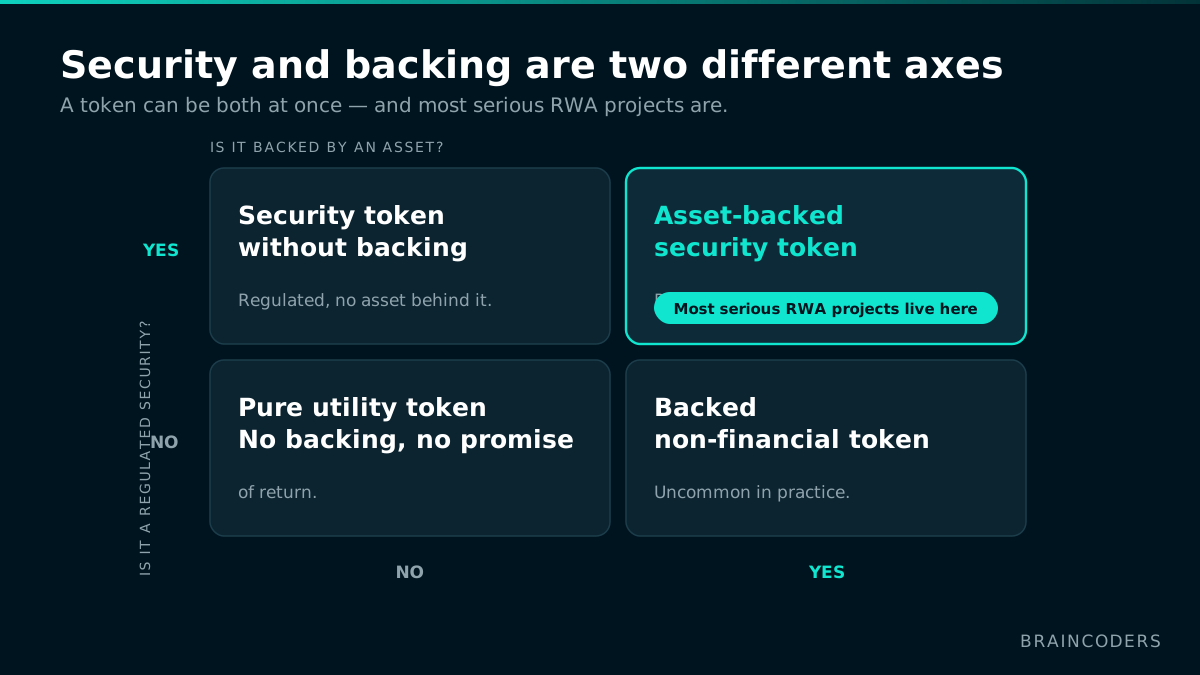
Read moreThe most common conceptual error in tokenization: believing an asset-backed token stops being a regulated security. That's not how it works.
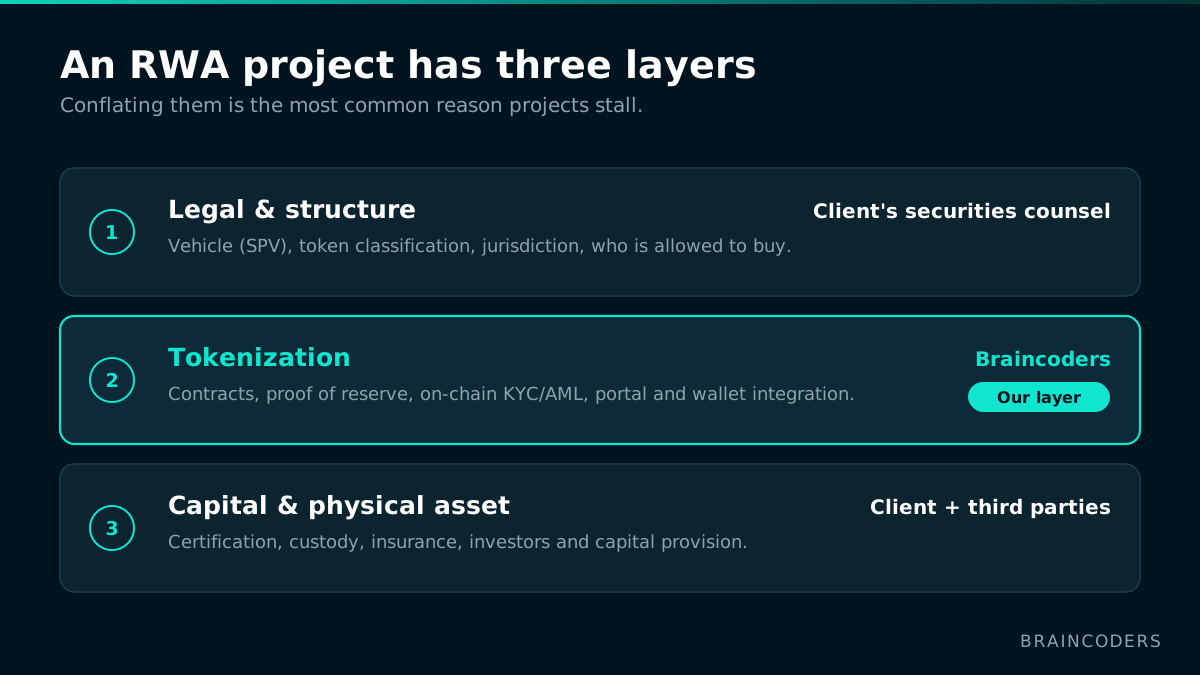
Read moreIn RWA tokenization, knowing who does what prevents failure. The three project layers and why a technology partner shouldn't cross the legal line.
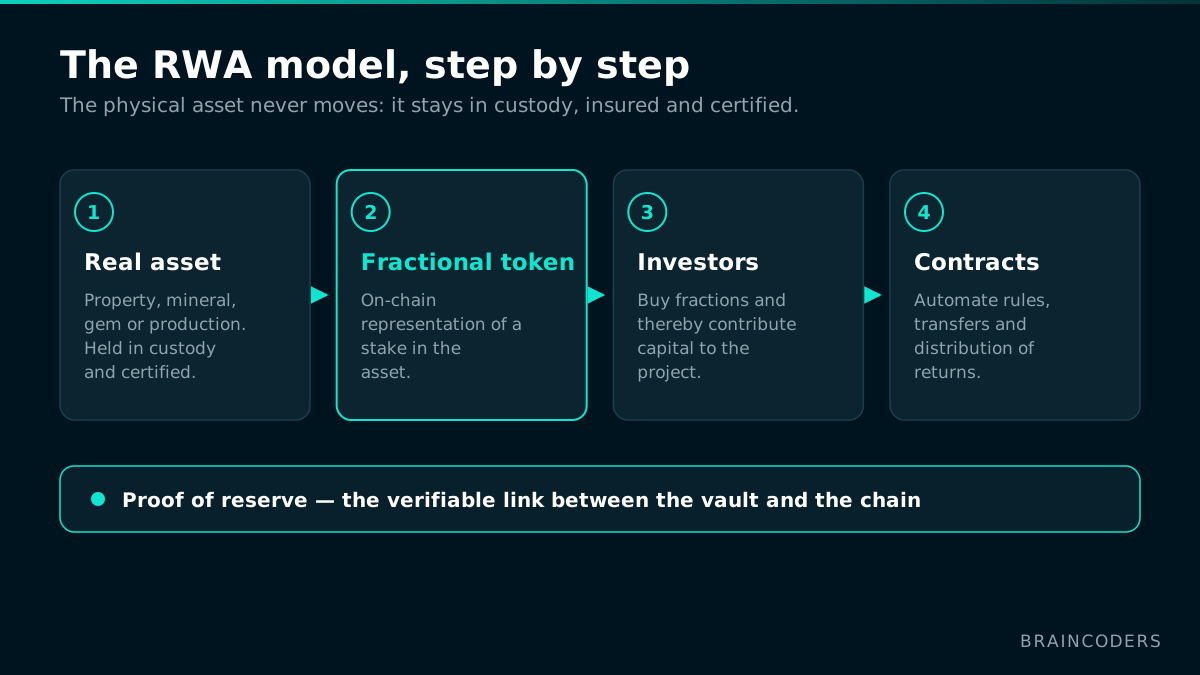
Read moreWhat tokenizing a real-world asset actually means, how verifiable backing works, and the three myths that sink RWA projects.
Read moreTell us what you're trying to solve. We respond in 24h and come back with a concrete plan — not a sales pitch.