What an SPV is, without the lawyering
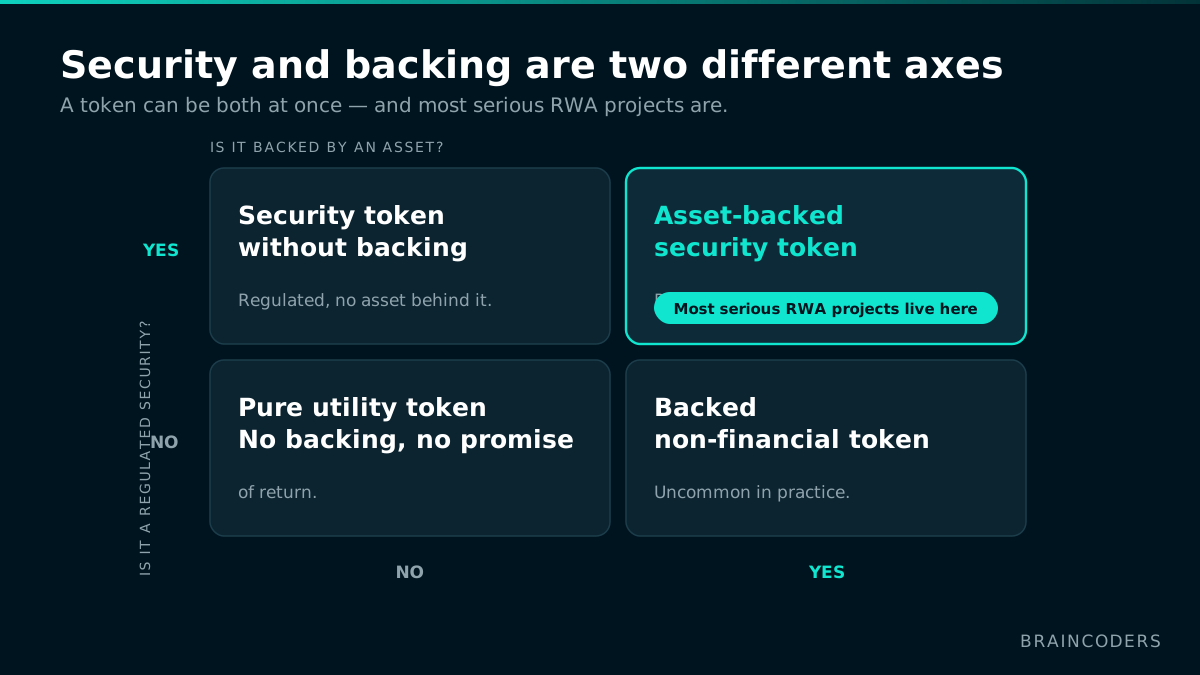
SPV stands for Special Purpose Vehicle: a company — typically an LLC — created for a single purpose, to own one specific asset. A property, a project, a lot with a building permit. Nothing else. It has no other operations, no other businesses, no other debts mixed in. It exists to hold that asset and nothing more, and that purity is precisely its value.
The norm in real-estate tokenization is one SPV per project. Each building or development lives in its own company, isolated from the others. The optimal structure is defined by the securities lawyer according to the jurisdiction and the offering, but the pattern repeats because it works.
Why the token represents the SPV and not the brick
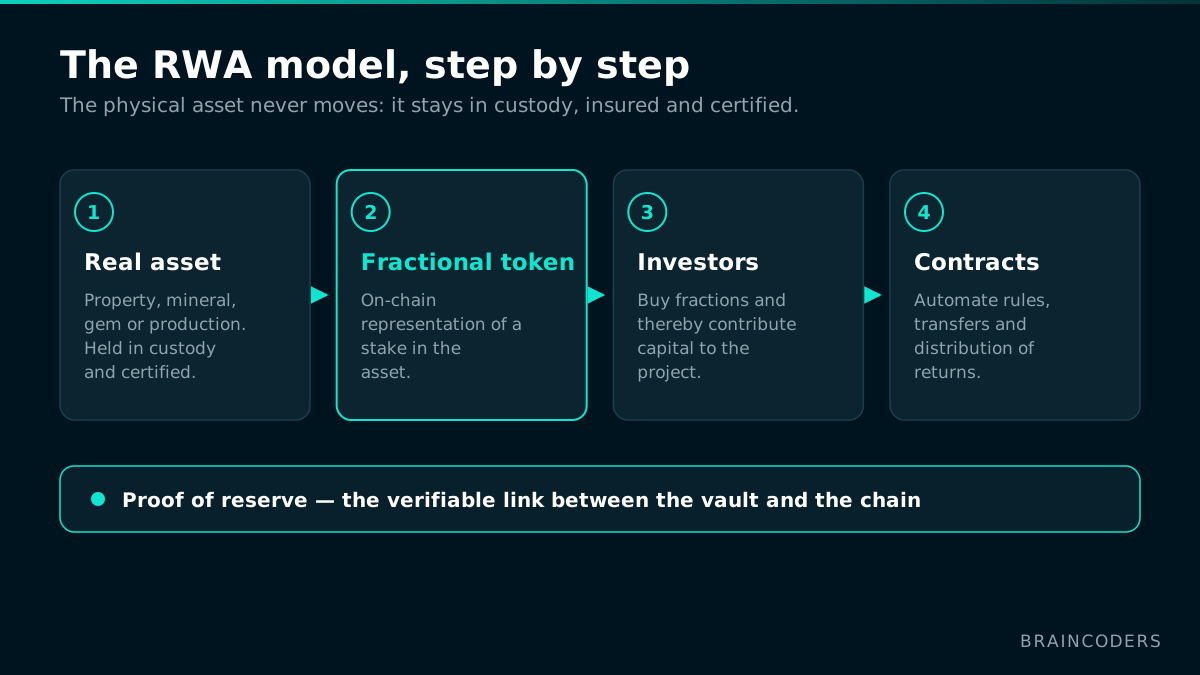
Here's the heart of it. Legally, making a token represent a direct physical fraction of a property is a tangle: real property is governed by public registries, deeds and local laws that know nothing about blockchain. In contrast, making the token represent a stake (equity) in the company that owns the property is familiar ground: a company's shares or membership interests can indeed be fractionalized, transferred and represented.
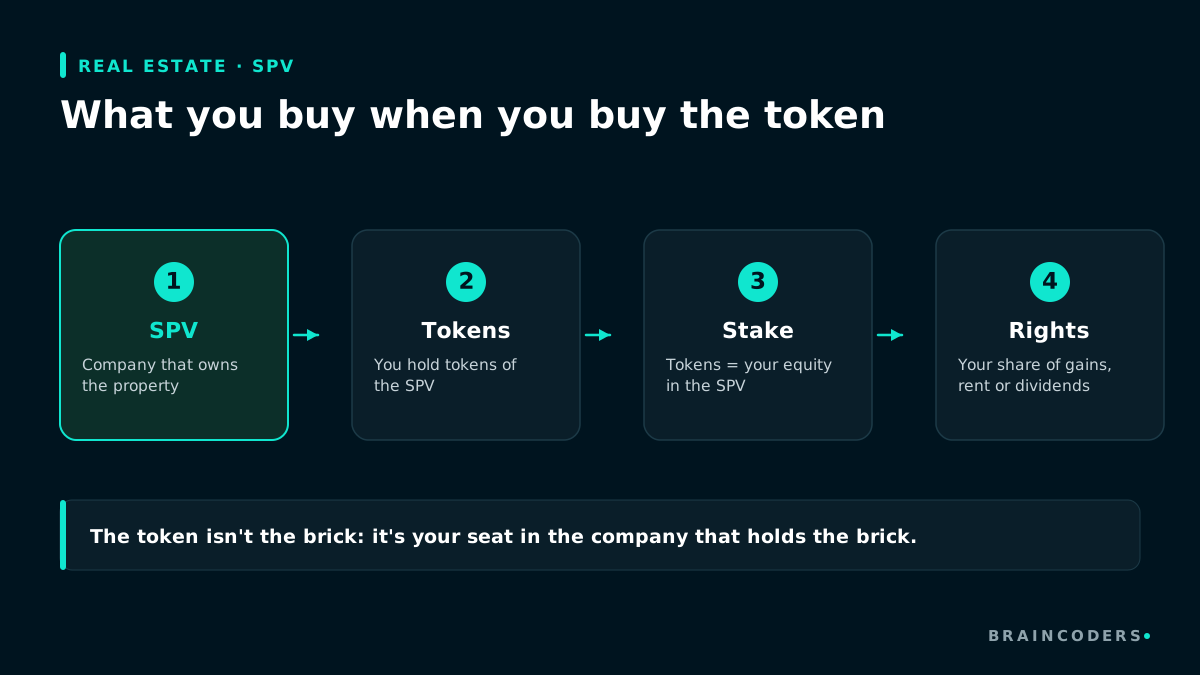
So the chain is: the SPV owns the property → you hold tokens → the tokens represent your stake in the SPV → that stake entitles you to your share of what the SPV produces (appreciation on sale, rent, dividends, depending on how it's structured). The token isn't the building; it's your seat in the company that holds the building. It may sound like a nuance, but it's what makes the structure executable in the real world.
And this connects to something that's already law, not a design choice: if you invest money in a common enterprise expecting profit from the work of others — the famous Howey test — that stake is a security. The vast majority of real-estate tokenizations meet those four elements. That's why the token is a permissioned security token, and why it needs the SPV: the vehicle is what issues that security cleanly.
What the SPV protects
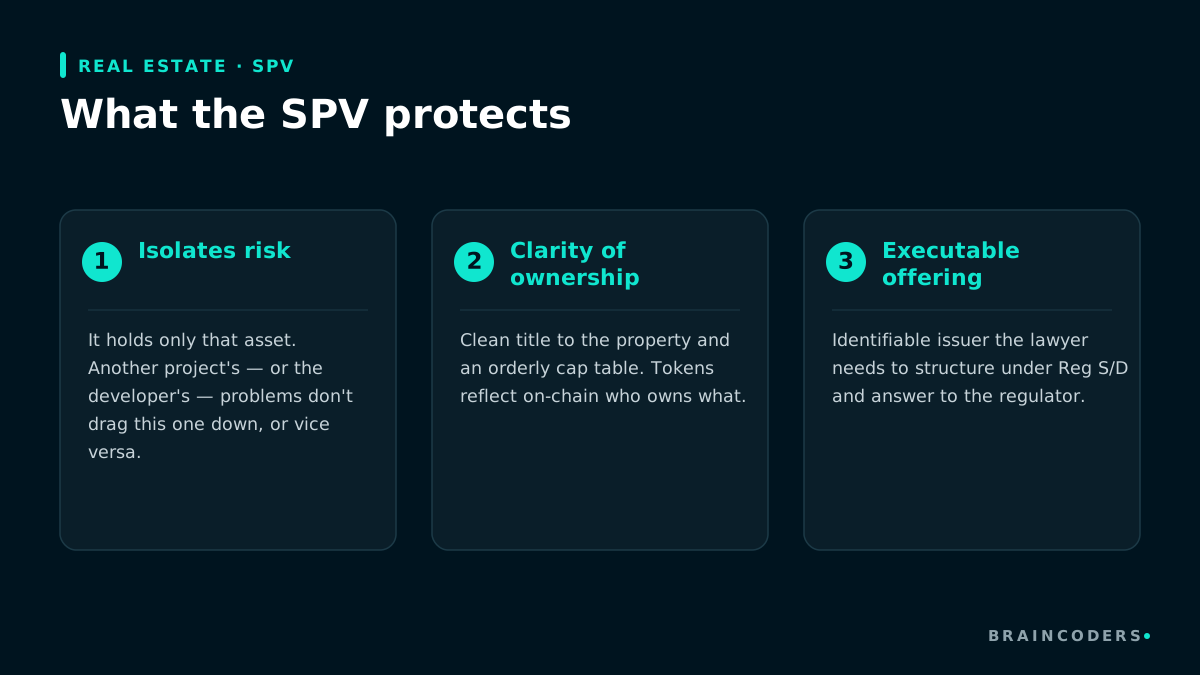
A structure like this isn't bureaucracy; it does three concrete jobs that benefit everyone.
It isolates risk. Because the SPV holds only that asset, another project's problems — or the developer's — don't drag this one down. And vice versa: if this project has a problem, it doesn't contaminate the rest of the estate. The investor knows exactly what they're exposed to: that asset, not everything the founder has going on.
It gives clarity of ownership. The SPV holds clean title to the property, and the cap table — who owns which portion — lives in an orderly way. The tokens are the on-chain reflection of that cap table. There's no ambiguity about who owns what.
It makes the offering legally executable. The SPV is the identifiable issuing entity a securities lawyer needs to structure the offering under an exemption (Reg S for non-US investors, Reg D for accredited ones, as the case may be), define resale restrictions and answer to the regulator. Without a clear issuer, there's no offering to structure.
Where our scope ends
As always, the boundary matters. The SPV — creating it, choosing the jurisdiction, defining the exemption, drafting the offering documents — is the client's securities lawyer's work, not ours. Braincoders builds the technical layer that connects to that structure: the security token representing the stake in the SPV, the whitelisting that enforces the restrictions the lawyer defined, the issuance portal and the on-chain cap table. The law sets the rules; the code enforces them. But the law — the SPV — has to exist first, so that the token has something honest to represent.
Does your real-estate project already have the vehicle structure defined? Book a discovery call and let's see how it connects to the technical side.