The model in one sentence
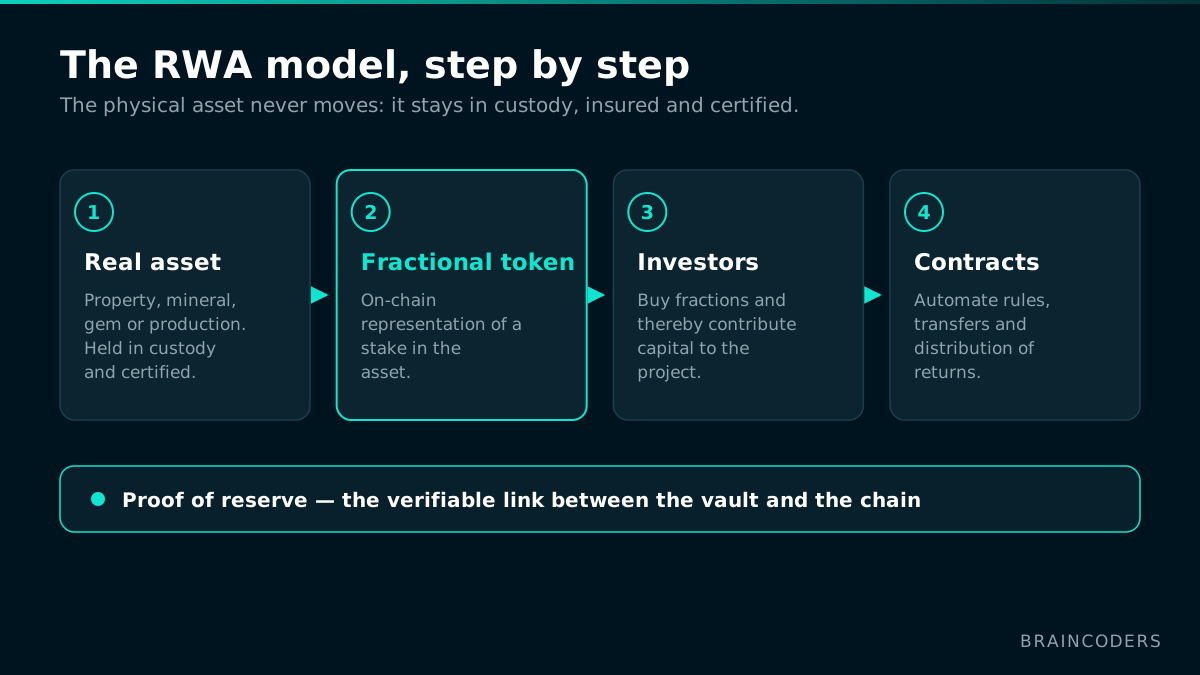
You own a real asset — a property, a certified mineral lot, a gemstone, a crop, equipment. Tokens are issued representing a stake in that asset or its production. Investors buy tokens and thereby contribute capital. The real asset backs the offering. Smart contracts automate the rules and the distributions.
What actually happens to the physical asset
This is the most misunderstood part: the asset doesn't move or disappear. The physical piece stays in custody, insured and certified. What exists on-chain is a fractional representation with a verifiable link back to the real asset.
That link is called proof of reserve: the custodian or auditor signs an attestation, the report is anchored on-chain via a verifiable hash, and an oracle keeps the data current. At any moment, anyone can check the relationship between what sits in the vault and what circulates as tokens.
Without that link, a "backed" token is just a promise.
What it's actually good for
Two concrete benefits:
- Fractionalization. A high-ticket asset becomes accessible in smaller amounts. A one-carat emerald can exceed USD 120,000; fractionalized, people who could never have participated now can.
- Liquidity in illiquid markets. Selling a property takes months. A secondary market for tokens — with whatever restrictions apply — opens an exit path the physical asset simply doesn't have.
The three myths that sink projects
1. Tokenizing does not create capital
This is the most expensive lesson to learn late. Issuing tokens doesn't generate money: someone has to buy them. If there are no identified investors or a clear channel to reach them, tokenization doesn't solve the underlying problem. It's fundraising infrastructure, not a source of capital.
2. Tokenizing doesn't magically make an asset liquid
Liquidity requires real demand and working secondary-market rails. A token with no buyers is as illiquid as the original asset, with added complexity on top.
3. Tokenizing doesn't exempt you from regulation
If the token promises a return to third parties, it is most likely a security in the regulator's eyes, regardless of what you call it. Regulators apply substance over form: they look at what the instrument actually is, not its label. Calling something a "utility token" when it promises returns doesn't change its nature.
The four pillars of a credible offering
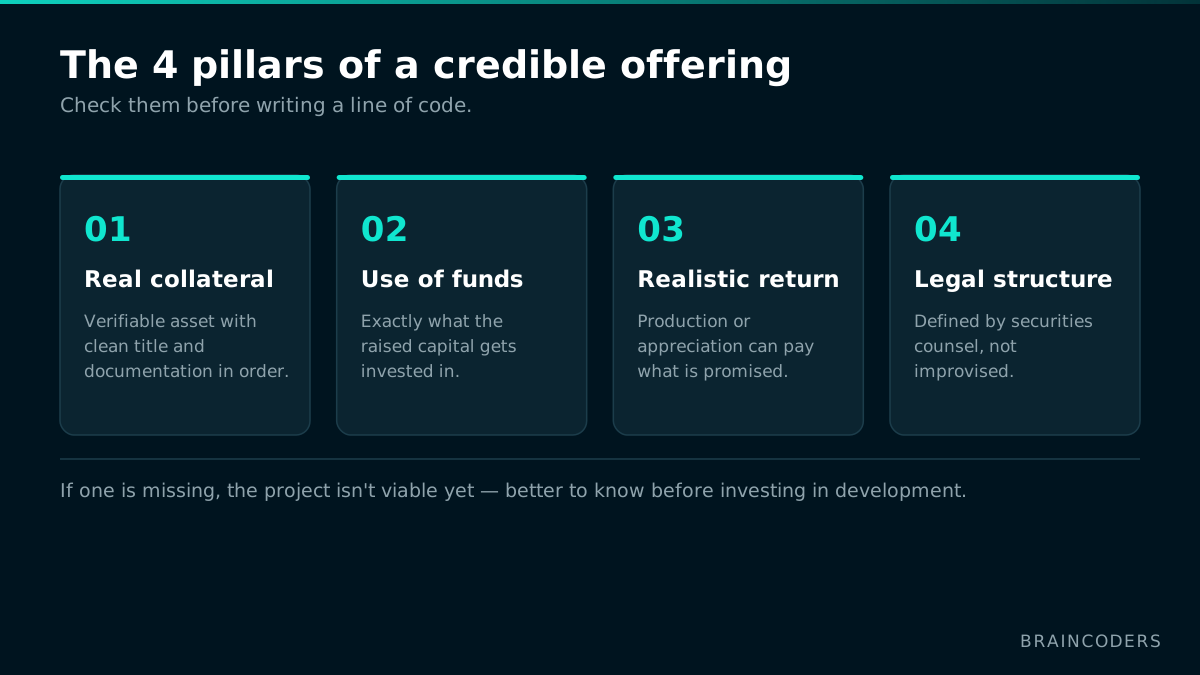
Before writing a line of code, check that you have all four:
- Real, verifiable collateral — clean title and documentation in order.
- Clear use of funds — exactly what the raised capital gets invested in.
- Realistic return projection — production or appreciation can actually pay what's promised.
- Solid legal structure — defined by a securities lawyer, not improvised.
If one is missing, the project isn't viable yet. And it's far better to find that out before investing in development.
Where to start
The correct order is business → legal → technical, never the reverse. First: what problem tokenization actually solves in your specific case. Then: how it's structured legally. Only then: what gets built.
At Braincoders we're the technology partner for that third layer. We design and build the contracts, the proof of reserve, the on-chain compliance and the portal. Legal structure, certification, custody and capital are handled by specialists — and that order matters.
Want to check whether your asset qualifies? Book a discovery call and let's assess it together.