Two tracks running in parallel
An RWA project moves along two lanes at once:
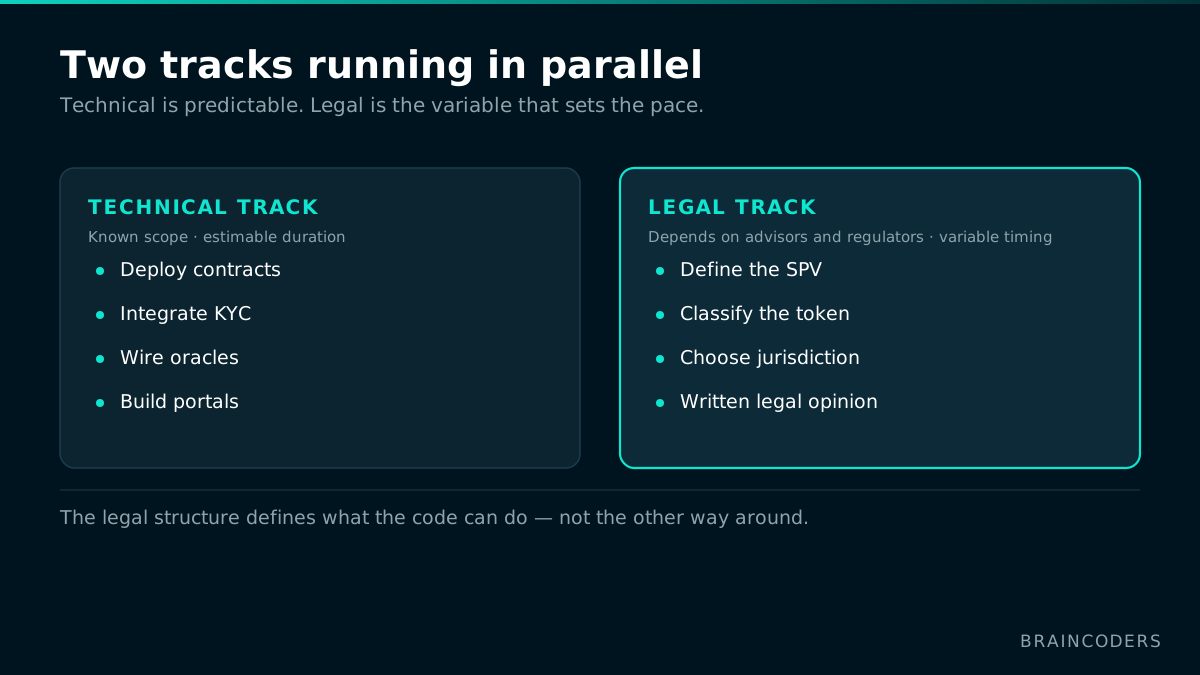
The technical track is scoped and estimable. Deploying contracts, integrating KYC, wiring oracles, building portals — these are tasks with known scope and reasonably predictable duration. An experienced team knows how long each piece takes.
The legal track is the variable. Defining the vehicle (SPV), determining the token's classification, choosing the jurisdiction, drafting the offering terms, obtaining the legal opinion — all of that depends on advisors, regulators and processes the development team doesn't control, with timelines that vary enormously by country, asset and structure.
Why legal is in charge
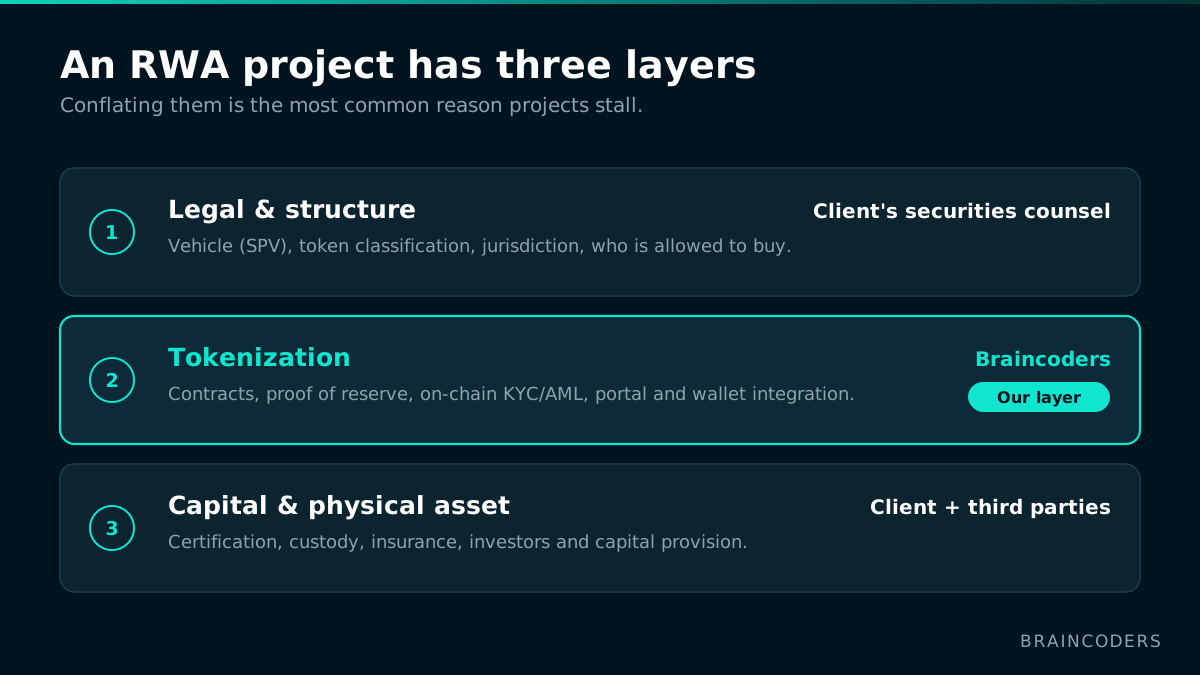
The reason is simple: the legal structure defines what the code can do. Not the other way around.
You can't finish the token contract without knowing whether it's a security. You can't configure compliance without knowing who it can be sold to. You can't go to mainnet without the written legal opinion. The technical side is waiting on legal decisions at several critical points along the way.
That's why, in practice, technical development is almost never the bottleneck. The bottleneck is resolving the legal framework — and it's a bottleneck on the client's side, not the vendor's.
The gate that makes it visible
Our mainnet rule — no deployment without a written legal opinion and certification of the backing — makes this concrete:
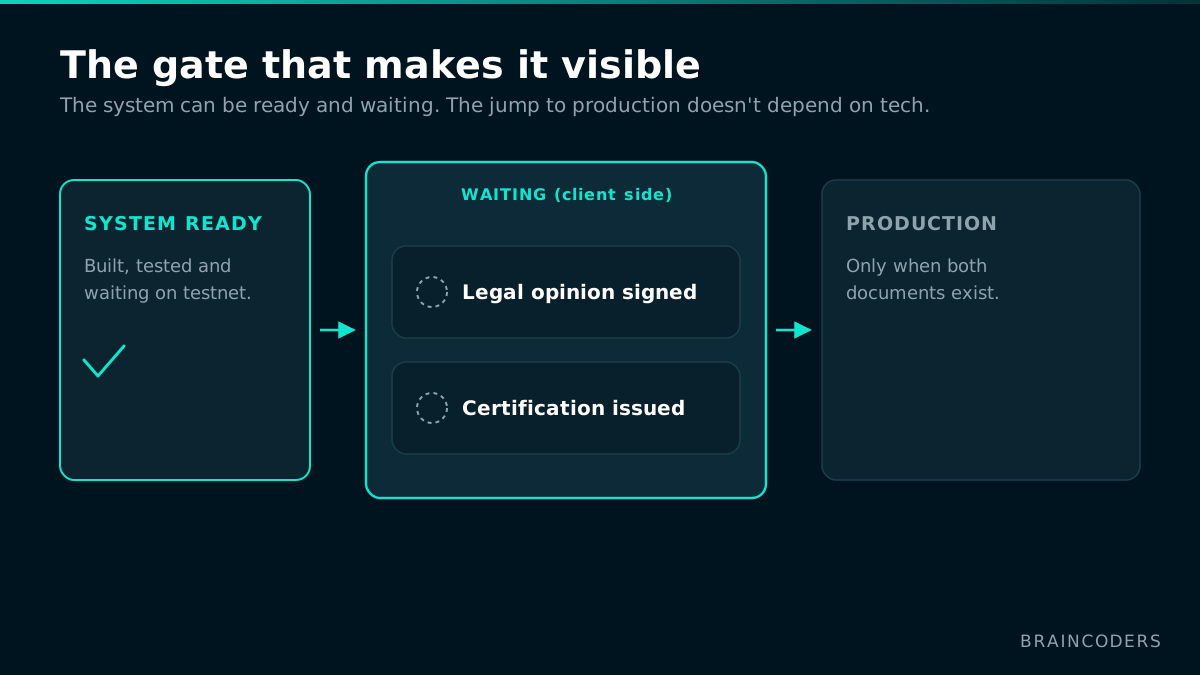
We can have the entire system built, tested and waiting on testnet. But the final jump to production doesn't depend on us: it depends on the legal opinion being signed and the certification issued. If those two documents are delayed, the project waits, no matter how ready the technology is.
This isn't an obstacle we impose. It's the reality of the instrument: there's real third-party money at stake, and going live without that backing would expose you to a risk no serious vendor would let you take.
How to plan around this
Three practical consequences:
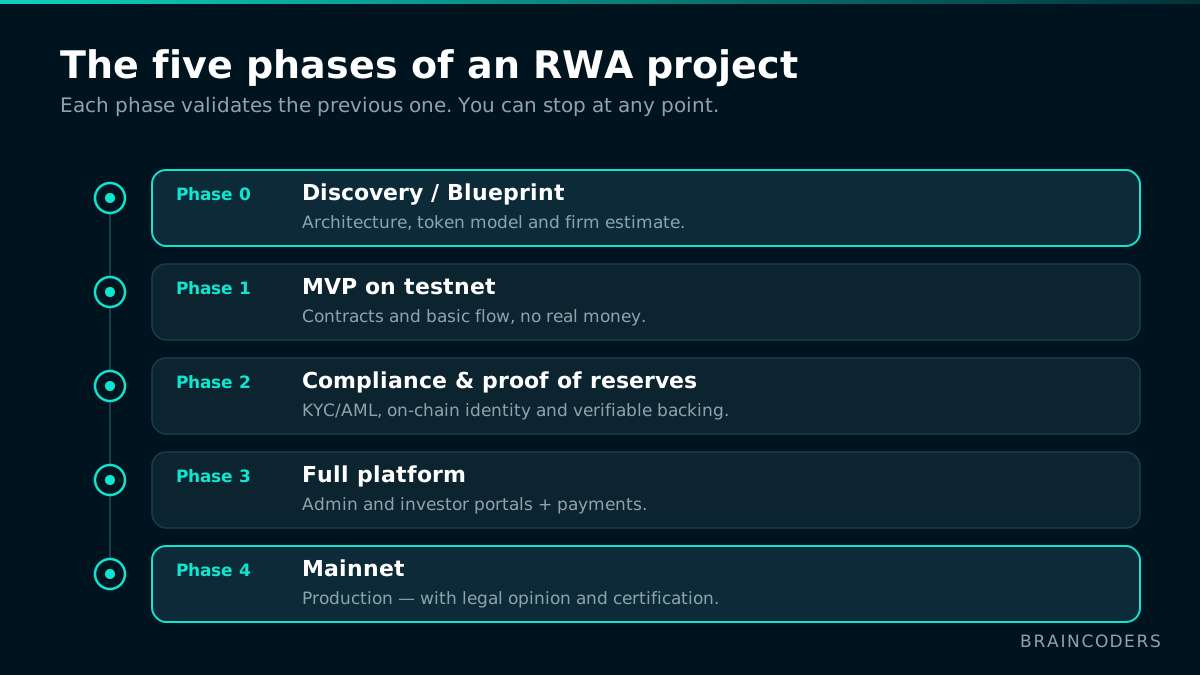
Start legal earlier, not later. The most expensive mistake is treating the legal structure as a final formality. It should begin in parallel with Phase 0, not once the technology is ready.
Don't promise launch dates tied to the technical track. If you tell your investors "we launch in 8 weeks" based on the development schedule, you'll miss it when legal takes longer. Tie dates to legal milestones, not technical ones.
Choose advisors experienced in digital securities. The difference between a lawyer who has already structured tokenized offerings and one learning on the job is measured in months.
The good news: once legal is resolved, the technical work moves fast and without surprises. That's why it's worth solving the hard part first.
Want to map your project's path? Book a call and we'll separate the technical from the legal from day one.