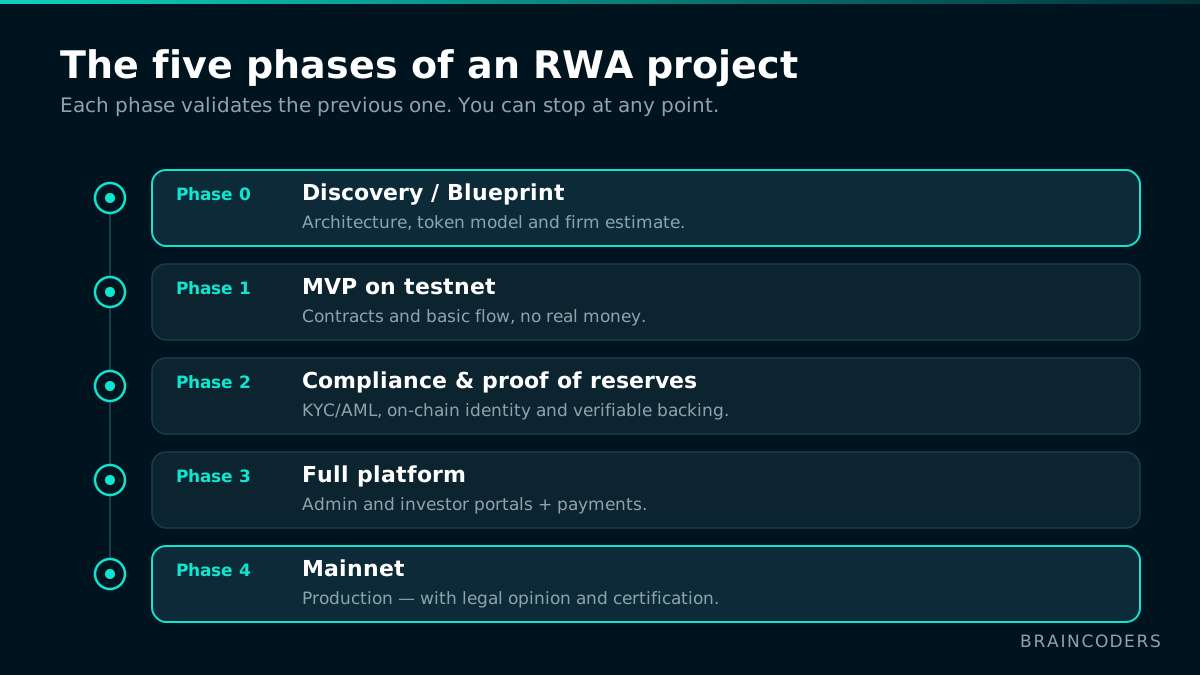
Phase 0 — Discovery (Blueprint)
Before building anything, you define what gets built. This phase delivers the technical architecture, the token model, the integration map (KYC, oracles, custody, wallets) and a firm estimate for the rest of the project.
It's fixed-price and tightly scoped. Its value isn't just the document: it forces you to sort out the business and the legal before spending on development. Many projects discover here that their token model had a fundamental flaw — and discovering it in Discovery costs a fraction of discovering it in mainnet.
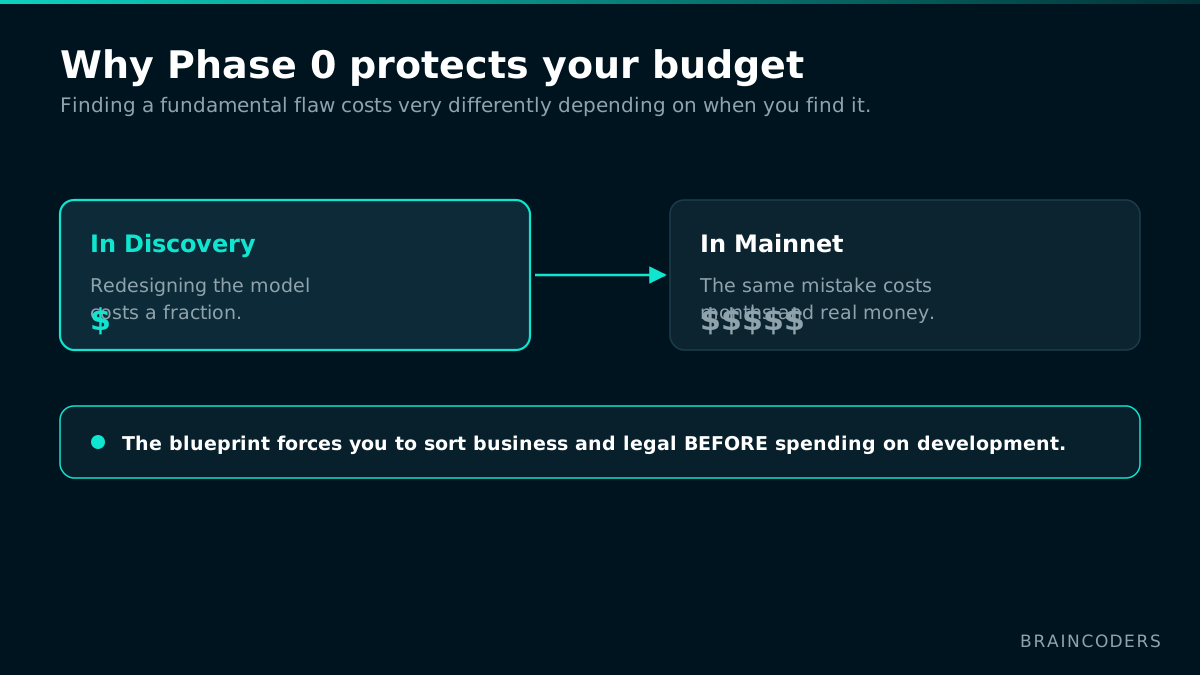
Delivers: technical blueprint + token model + estimate for later phases.
Phase 1 — MVP on testnet
The contracts and basic flow are built on a test network, with no real money. Here you validate that the mechanics work: token issuance, transfer rules, proof of reserve wired to an oracle, and the portal in its minimal version.
Everything happens in a safe environment where getting it wrong costs nothing. The goal is something working and demonstrable, not perfect.
Delivers: token and contracts running on testnet + minimal portal + demo.
Phase 2 — Compliance and proof of reserves
The compliance stack goes in: KYC/AML with a real provider, on-chain identity (ONCHAINID), whitelists of approved wallets, and the transfer rules the legal structure imposes. In parallel, the definitive proof of reserve is connected to the custodian's or auditor's report.
This is the phase where the project stops being a technical experiment and starts to look like a real offering.
Delivers: KYC/AML integrated + on-chain compliance + verifiable proof of reserve.
Phase 3 — Full platform
The definitive portals get built: admin (for the issuer), investor (for the buyer), and stablecoin payment integrations. This is the layer people actually use.
Delivers: admin and investor portals + payments + reserves dashboard.
Phase 4 — Mainnet
Production deployment. And here our non-negotiable rule applies: no mainnet without a written legal opinion and third-party certification of the backing. With those two conditions met, the project moves to the real network, with real money.
Delivers: production system + maintenance and support retainer.
Why this order matters
Each phase validates the previous one before committing more budget. You don't build the full platform until the mechanics work on testnet; you don't go to mainnet until compliance and backing are resolved.
This independent-phase design has an advantage for you: you can stop at any point if the business or the legal side doesn't mature, without having spent on what came next. It's the opposite of a monolithic project where you commit the whole budget upfront.
Starting small and validated isn't a lack of ambition. It's what gets the project to production instead of dying halfway.
Ready for Phase 0? Book a discovery call and let's build your blueprint.