What each one solves
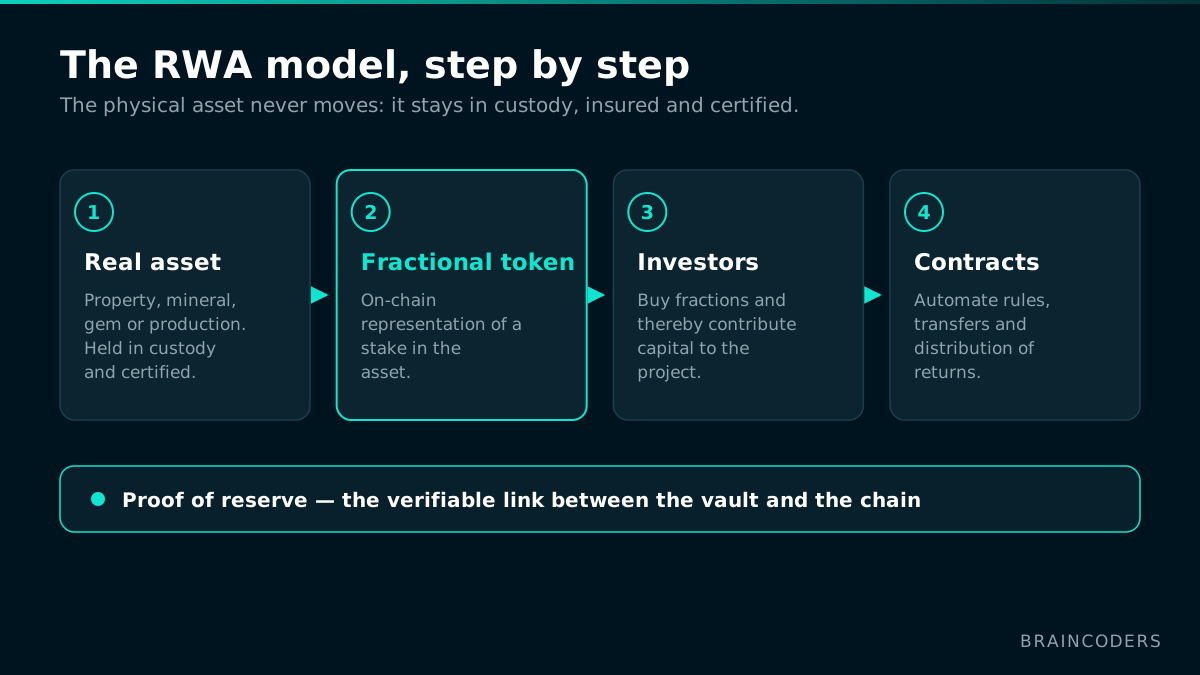
Traditional crowdfunding pools several investors into a vehicle that funds a project. It's a proven model, with mature platforms and a known regulatory framework in many countries. Simple to set up, cheap to start.
Tokenization represents that stake as on-chain tokens. It adds three things crowdfunding doesn't have: potential liquidity (a secondary market), automated distributions via contracts, and a replicable model to issue project after project on the same infrastructure.
The differences that actually matter
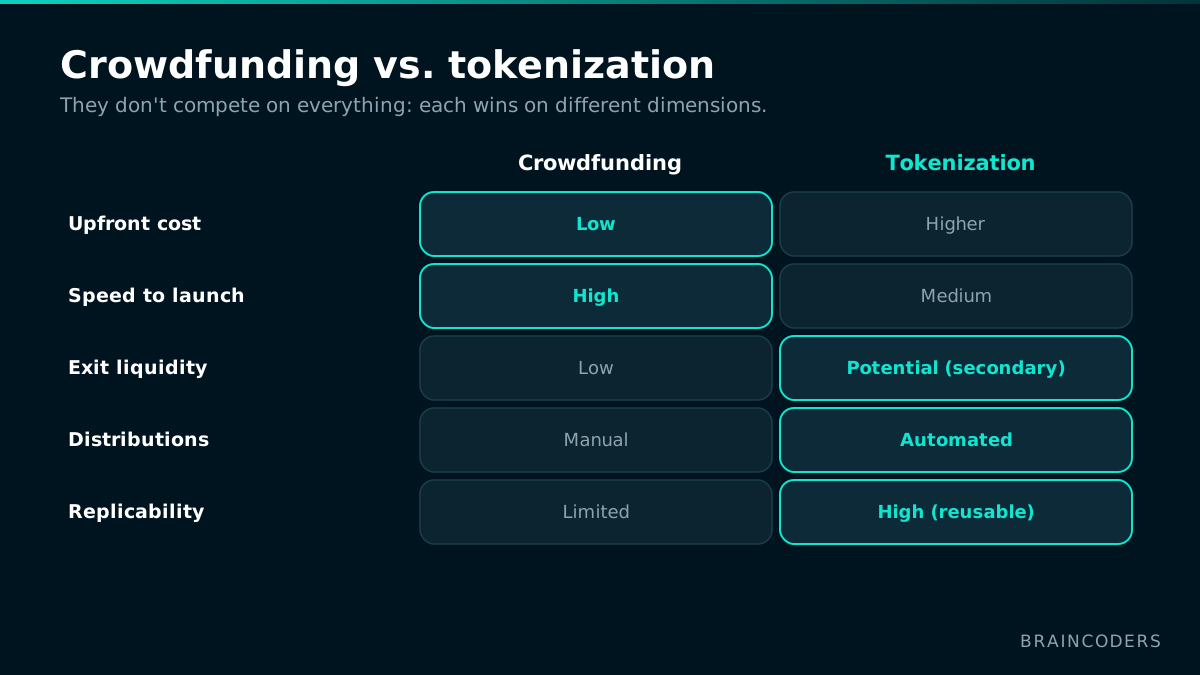
Liquidity. In crowdfunding, the investor gets in and is "locked" until the project closes or sells — that can be years. Tokenization opens the door to a secondary market to resell that stake (subject to whatever regulatory restrictions apply). For many investors, that exit path is the difference between joining or not.
Automation. Distributing returns to dozens or hundreds of investors by hand is costly and error-prone. Smart contracts make it automatic, proportional and auditable.
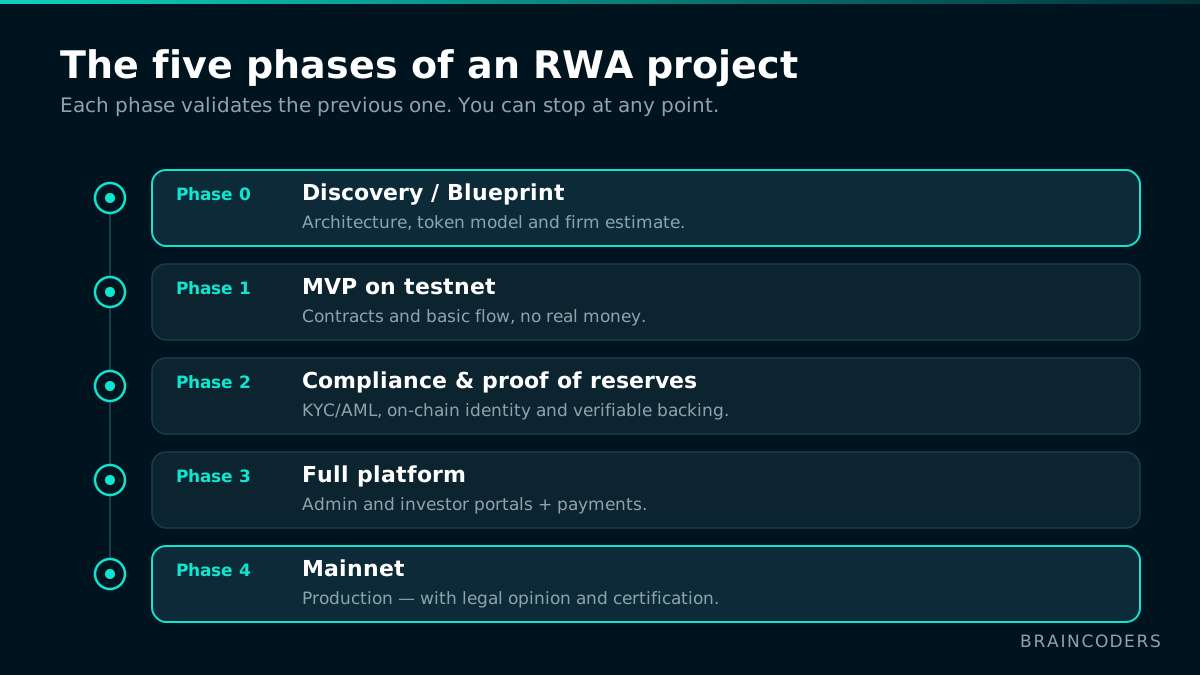
Upfront cost. Here crowdfunding wins. Setting up a tokenization with on-chain compliance, proof of reserve and portals costs more and takes longer than launching a campaign on an existing crowdfunding platform.
Replicability. This is tokenization's decisive advantage, and the most overlooked.
The break-even point: one project or many?
Here's the question that settles the decision: are you going to do this once, or many times?
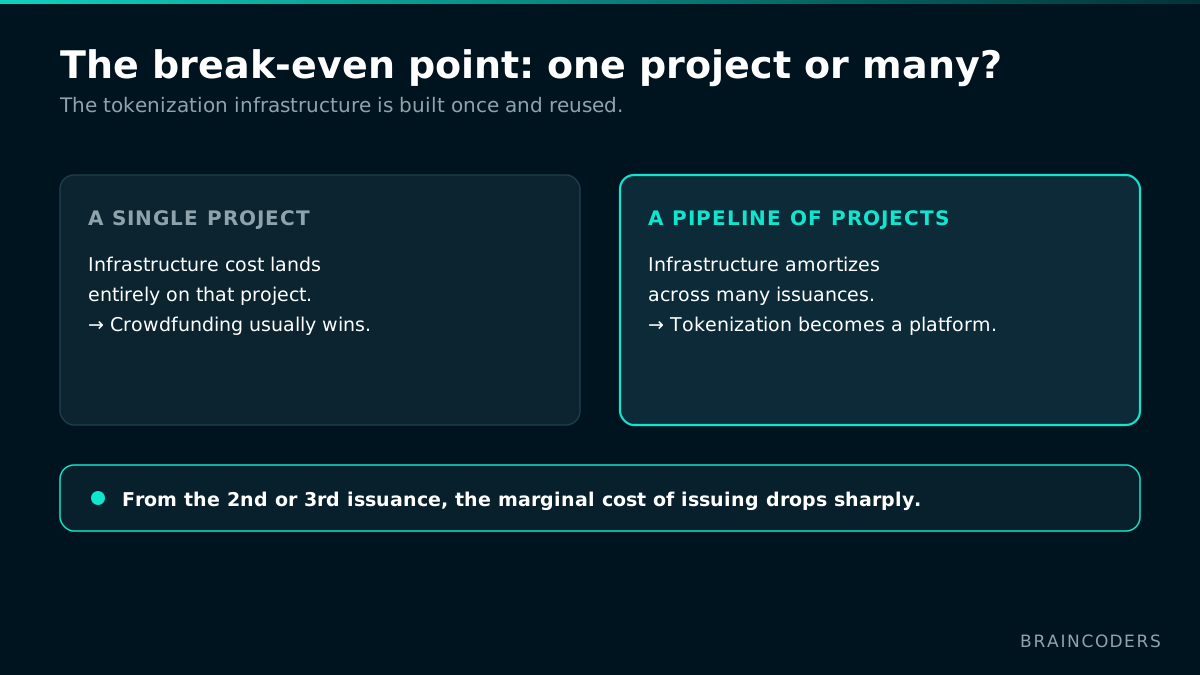
If you tokenize a single asset, the cost of building the infrastructure lands entirely on that one project. In that case, crowdfunding is usually the more sensible option: cheaper, faster, enough.
But if your business is repeating the cycle — buy land, develop it, sell; and again; and again — then the tokenization infrastructure is built once and reused on every new issuance. The upfront cost amortizes across many projects, and from the second or third one, the marginal cost of issuing drops sharply.
There, tokenization stops being a one-off expense and becomes a recurring fundraising platform for your operation.
How to decide, concretely
Choose crowdfunding if:
- It's a one-off or occasional project.
- The upfront budget is tight.
- Your investors don't value an exit liquidity option.
Choose tokenization if:
- You have a pipeline of similar projects ahead.
- Secondary-market liquidity is a selling point for your investors.
- You want to automate distributions and scale without multiplying admin work.
There's no universal answer — there's a right answer for your model. And that conversation (business first, technology second) is exactly where we start.
One project or many? Book a call and let's assess which path fits you.